2024 Awardee
Robert A. Rissman, PhD
Read the press release here
Robert A. Rissman, PhD, received his Doctorate in Neuroscience from Drexel University School of Medicine in Philadelphia, PA. He is the W.M. Keck Endowed Chair in Medicine and Professor of Physiology and Neuroscience at the University of Southern California (USC). He is Founding Director of the Neuroscience Translational Research Division at USC’s Alzheimer’s Therapeutic Research Institute in San Diego, CA. His research is predominantly focused on validating plasma biomarkers for Alzheimer’s disease and related dementias (ADRD) that can be used to understand disease etiology and as screening tools for clinical trials. His work is also centered on developing and testing novel therapeutics or ADRD in animal and in vitro models, particularly from the perspective of informing on and predicting comorbidity. In addition to his basic science translational research, Dr. Rissman is a member of the NACC Biomarker Steering Committee and the Biomarker lead for the Alzheimer’s Clinical Trials Consortium (ACTC) and the USC Alzheimer’s Disease Research Center (ADRC). He has published more than 200 peer-reviewed articles.
Importance of Published Article
“Evaluation of Blood-Based Plasma Biomarkers as Potential Markers of Amyloid Burden in Preclinical Alzheimer’s Disease.”
The Anti-Amyloid Treatment in Asymptomatic Alzheimer’s Disease (A4) was a groundbreaking, first of its kind secondary prevention phase 3 trial that sought to test the impact of Solanezumab-mediated lowering of monomeric amyloid in 1169 asymptomatic individuals at risk for progression to AD. Eligibility was determined by amyloid PET and participants were determined to be amyloid elevated/positive or non-elevated/negative. Although safe over the time treatment and having a modest, but significant effect on amyloid PET, Solaneuzumab was not found to be efficacious on its primary endpoint, mean change in the Preclinical Alzheimer Cognitive Composite (PACC) score. Despite the trial being negative, the data and biomarker resources that came from the trial are invaluable for future research. For example, given the variety of issues surrounding use of amyloid PET or CSF as screening tools for identifying amyloid positive participants, we assessed how newly developed blood-based biomarkers performed for predicting amyloid PET results in A4. In our study we used biobanked plasma from the screening visits of the A4 study to determine whether plasma Aβ40, Aβ42, and Aβ42/Aβ40 levels, as measured by two different IP-MS platforms (MALDI-TOF-MS and LC-MS/MS), can predict brain amyloid PET positivity, A4 study participants. We also determined the impact of two different plasma processing protocols (2 h vs. 24 h) on plasma Aβ40, Aβ42, and Aβ42/Aβ40 levels to predict amyloid PET positivity. Recently published data suggest that lower plasma Aβ42/Aβ40 ratios, as measured using IP-MS, are associated with brain amyloid pathology, accelerated cognitive decline, and increased risk of developing AD dementia. In our study, we found that plasma Aβ42/Aβ40 quantified using either of the available MS method can predict screening amyloid PET positivity in the A4 trial. We also found that blood samples that were collected and processed to plasma within 2 h after blood draw had increased utility for prediction of amyloid PET status compared to blood samples that were shipped overnight on cold packs and processed to plasma within 24 h after blood draw. Overall, our findings demonstrate that plasma screening testing using Aβ42/Aβ40 can be used to identify eligible, cognitively normal individuals for AD prevention trials. Using plasma screening analyses for enrollment in prevention trials can reduce traditional screen-failure rates and save time, funds and burden on sites and participants.
|
|
 
2023 Awardees
Henning Tiemeier, MD, PhD, and Rosanne Freak-Poli, PhD,
Read the press release here
Henning Tiemeier, MD, PhD, received his Doctorate in Medicine and his sociological degree from the University of Bonn, Germany, and his PhD in Epidemiology from the Erasmus University in Rotterdam, Netherlands. He is Professor of Psychiatric Epidemiology at the Erasmus University Medical Center Rotterdam and was appointed Professor of Social and Behavioral Science and Sumner and Esther Feldberg Chair in Maternal and Child Health at the Harvard T.H. Chan School of Public Health in 2018. His research is mostly aimed at understanding the etiology of common psychiatric problems such as depression. His work in adults and elderly persons a neurodegenerative, his work in children takes a neurodevelopmental approach. He has a great interest in detailed phenotype assessment, neuroimaging, and genetics combined with modern quantitative methods. His work on prenatal exposures is internationally well-known. He has received several prizes such as the VIDI (2009) and VICI (2017) award from the Dutch Medical Research Council and the Leon Eisenberg Award in 2019; he has published over 750 peer-reviewed articles.
Rosanne Freak-Poli, PhD is a life-course epidemiologist. Her work is strongly driven by social justice, being the distribution of wealth, opportunities, and privileges within a society. After completing her Ph.D. (Epidemiology), Rosanne has been awarded an NHMRC Early Career Research Fellowship and a National Heart Foundation of Australia Postdoctoral Fellowship. She has made an internationally significant and impactful contribution to understanding the population impact of social determinants as risk factors for chronic disease. Most recently, Rosanne has demonstrated that social health is associated with a greater severity of chronic disease risk-factors and lower quality of life; increased risk of cardiovascular disease and dementia; and worse mental health during cardiovascular disease recovery. Furthermore, she has progressed the field by examining the social health components of social isolation, social support, and loneliness separately to assess their independent contribution to health and wellbeing.
Importance of Published Article
The Rotterdam Study (RS), a large population-based cohort with excellent follow-up of dementia, offers excellent opportunities to study behavioral and social determinants of dementia in. Recent studies suggested that loneliness or lack of social support may increase the risk of cognitive decline. However, studies that assess different social health factors, adjust for depression, and follow participants over many years to rule out reverse causality, are lacking. Importantly, we replicated results in the Swedish National Study on Aging and Care in Kungs (SNAC-K).
In “Loneliness, Not Social Support, Is Associated with Cognitive Decline and Dementia Across Two Longitudinal Population-Based Cohorts” (J Alzheimers Dis 85, 295-308, 2022), Freak-Poli R, Wagemaker N, Wang R, Lysen TS, Ikram MA, Vernooij MW, Dintica CS, Vernooij-Dassen M, Melis RJF, Laukka EJ, Fratiglioni L, Xu W, and Tiemeier H included 4,514 participants from the Rotterdam Study (mean age) followed up to 14 years and 2,112 participants from the SNAC-K (mean age 72) followed up to 10 years. We investigated loneliness, perceived social support, and structural social support (specifically marital status and number of children). In both cohorts, dementia was diagnosed, and cognitive function was repeatedly assessed with MMSE and a global cognitive factor (g-factor).
Loneliness was prospectively associated with a decline in the MMSE in both cohorts. Consistently, persons who were lonely had an increased risk of developing dementia independent of depressive symptoms. Exclusion of the first 5 years of follow-up did not alter results. Neither perceived or structural social support was associated with cognitive decline or dementia risk. Loneliness is a serious societal problem across all ages. Our findings highlight the importance of developing successful preventive measures for loneliness. Importantly, loneliness may be modified and reductions in loneliness may be possible through interventions focused on social network enhancement or modifying maladaptive social cognition.
This research project is part of the CoSTREAM consortium (www.costream.eu) and received funding from the European Union’s Horizon 2020 research and innovation programme (grant no. 667375).
|
|
 
2022 Awardees
Janina Krell-Roesch, PhD, and Yonas E. Geda, MD
Read the press release here
Janina Krell-Roesch, PhD, earned her PhD in sport and exercise science in 2013 from the Karlsruhe Institute of Technology (KIT), Germany. She then completed postdoctoral training at the Mayo Clinic, AZ, USA (2014-2018). In 2019, Dr. Krell-Roesch returned to KIT and joined the Institute of Sports and Sports Science as a research scientist and faculty. She is also an Assistant Professor of Neurology (Adjunct) at the Mayo Clinic College of Medicine and Science, and an Assistant Professor (Adjunct) at the Barrow Neurological Institute. Her research focuses on lifestyle factors, physical performance, emotional behavior, and technology in the context of aging, mild cognitive impairment and dementia. Dr. Krell-Roesch is a co-PI and investigator on several grants in Germany and the US, including an R01 funded by the NIH. She has published over 40 peer-reviewed manuscripts and has delivered presentations at national and international scientific meetings.
Yonas E. Geda, MD, received his Doctor of Medicine degree from Addis Ababa (Haile Selassie) University, Ethiopia. Then he trained at Mayo Clinic, Minnesota, USA in psychiatry (1995-2000), behavioral neurology (2000-2001), and Biomedical Science (Clinical Research) and subsequently became full-time faculty. He was a full Professor of Psychiatry and Neurology at Mayo Clinic from 2014 to 2020. After 25 years career at Mayo Clinic, in 2020, he made a vertical move as professor and director of Behavioral Neurology and Neuropsychiatry Fellowship Program at Barrow Neurological Institute (BNI) in Phoenix, Arizona, USA. He is a full Professor of Neurology at BNI and a research professor at Arizona State University. Dr. Geda has made original contributions in biobehavioral and lifestyle factors in the context of brain aging, mild cognitive impairment and dementia. Since 2003, Dr. Geda has been a member of the steering committee of the population-based Mayo Clinic Study of Aging that has made landmark contributions to the field of cognitive research. He has won several awards, including the Mayo Brothers Distinguished Fellowship Award (1998), the Laughlin Fellowship Award from the American College of Psychiatry (1999), Mayo Foundation Scholar (2000), the Medal of the City of Marseille, France (2003), the medal of the city of La Ciotat, France (2015) etc. Dr. Geda has given invited talks in USA, France, Norway, Germany, Czech Republic and Ethiopia. He has published over 160 peer-reviewed papers primarily in reputable scientific journals.
Importance of Published Article
In the past, we have demonstrated that physical activity including leisurely walk is associated with a decreased risk of categorical cognitive outcomes, i.e., incident mild cognitive impairment (MCI). MCI is the gray zone between normal cognitive aging and dementia. In the current paper, the exposure of interest was physical activity and the outcome of interest was cognitive trajectory among cognitively unimpaired older adults.
Therefore, we conducted a longitudinal study entitled “Physical Activity and Trajectory of Cognitive Change in Older Persons: Mayo Clinic Study of Aging” in the setting of the population-based Mayo Clinic Study of Aging in Olmsted County, MN. We included 2,060 cognitively unimpaired individuals aged ≥70 years who completed questionnaires about engagement in physical activity in midlife (i.e., when they were between the ages of 50 to 65 years) and late-life (i.e., within the last one year of assessment). Global and domain-specific cognitive function (i.e., memory, language, attention/executive function, visuospatial skills) was assessed through neuropsychological testing every 15 months.
Our study showed that older adults experience a decline in global and domain-specific cognitive function over time. However, in persons who were engaging in physical activity, this decline was less pronounced. This observation was particularly true for females. This finding also has implications for clinical practice, i.e., healthcare professionals including physicians and sport science specialists should highlight the importance of physical activity even in old age to promote brain health.
This research was supported by NIH/ NIA (R01 AG057708; PI: Y.E. Geda; U01 AG006786, PI: R.C. Petersen).
|
|
 
2021 Awardees
Giulio Taglialatela, PhD, and Balaji Krishnan, PhD
Read the press release here
Giulio Taglialatela, PhD, earned his doctorate from the University of Rome La Sapienza in Italy, followed by postdoctoral training at the University of Texas Medical Branch (UTMB), Galveston, Texas, in the Department of Biochemistry & Molecular Biology (BMB) from 1988 to 1990. He returned to UTMB in 1993 as a research assistant professor and rose through the ranks to his appointment as a tenured professor in the Department of Neuroscience & Cell Biology in 2011. In 2014, Dr. Taglialatela became the vice chair for research of the Department of Neurology and the director of the UTMB Mitchell Center for Neurodegenerative Diseases and was endowed as the Lawrence J. Del Papa Distinguished Chair in Neurodegenerative Disease Research. While maintaining a continuously NIH-funded research laboratory over the past 25+ years, Dr. Taglialatela has published over 100 peer-reviewed papers and delivered invited talks at national and international institutions and scientific meetings. He has served on several national and international grant review panels and as a permanent appointed member and chair of the Clinical Neuroscience & Neurodegeneration study section at the National Institutes of Health. For the past decade, Dr. Taglialatela’s main research focus has been to determine the molecular basis of brain/cognitive resilience in the face of AD pathology and to explore approaches to induce such resistance in anyone affected by the disease as a novel therapeutic concept.
Balaji Krishnan, PhD, is a primary faculty member in the Mitchell Center for Neurodegenerative Diseases, Neurology Department at the University of Texas Medical Branch, Galveston, TX. His research focuses on synaptic mechanisms associated with health and disease. He obtained his bachelor’s and master’s degrees from University of Mumbai. During his master’s tenure, he gained expertise in learning behavior, electrophysiology, and molecular biology in the neurogenetics of smell. He employed his expertise in electrophysiological approaches to elucidate the functional signaling mechanisms that are associated with circadian rhythms associated with the sensory system of smell in the fruit fly for his PhD dissertation. The significance of this research was recognized in his first authorship in two papers published in Nature, one of which was in collaboration with Jeffrey Hall, one of the Nobel Laureates (2017) for mechanisms of circadian rhythms. Dr. Krishnan then developed his postdoctoral work on phospholipase D (PLD) signaling mechanisms in associative memory mechanisms in neuropsychiatric disorders. His lab is currently exploring the therapeutic potential associated with modulating PLD signaling to prevent the progression of cognitive decline. Since joining the Mitchell Center for Neurodegenerative Diseases, he has been employing his out-of-the-box thinking and collaborative team efforts in developing and employing functional approaches in rodent models and human clinical samples in elucidating mechanisms of cognitive function important in health and disease.
Importance of Published Article
The existence of individuals who remain cognitively intact despite the presence of neuropathology normally associated with fully symptomatic AD suggests that there is an intrinsic way for the human brain to resist (or significantly delay) the events that lead to cognitive impairment in AD. Understanding the involved cellular mechanism(s) would thus reveal a very effective target to develop a novel therapeutic concept for AD centered on inducing cognitive resistance in affected patients. Such therapy is expected to be effective in humans, as demonstrated by the existence of these resilient individuals.
With this goal in mind, the paper “Functional integrity of synapses in the central nervous system of cognitively intact individuals with high Alzheimer’s neuropathology is associated with absence of synaptic tau oligomers” (J Alzheimers Dis 78, 1661-1678, 2020), Singh A, Allen D, Fracassi A, Tumurbaatar B, Natarajan C, Scaduto P, Woltjer R, Kayed R, Limon A, Krishnan B, and Taglialatela G, provides ultimate evidence that preventing/abolishing tau oligomer association with synapses is a key step to maintaining cognitive integrity in human. Synaptic targeting and disruption by small oligomeric aggregates of amyloid beta and tau proteins has been widely recognized as a central event underscoring cognitive decline and clinical manifestation of AD.
This work shows that contrary to fully demented AD patients, synapses of non-demented individuals with AD neuropathology (here referred to as NDAN) are devoid of toxic tau oligomers as determined by immunofluorescence histology and western blot studies on synaptosomes isolated from frozen brain specimens. Most notably, using unique approaches of FASS-LTP on synaptosomes and microtransplantation of human synaptic membranes in Xenopus oocytes coupled to electrophysiology recording, this work provides a rare insight into human synaptic functionality as determined in frozen autopsy brain specimens. The results show that absence of tau oligomers is associated with integrity of FASS-LTP as well as preservation of kainite/GABA current ratio in synapses from NDAN individuals as compared to demented AD patients. Overall, the present paper shows, in actual human brains, the causal relationship between synaptic presence of tau oligomers and disruption of synaptic function by illustrating how the absence of both events underscores the retention of cognitive integrity in the face of abundant AD neuropathology, thus providing further support to the credence of tau oligomers and their targeting of synapses as an effective therapeutic target in AD.
2021 Sponsor
The 2021 Alzheimer Award is proudly sponsored by Alzheimer’s Germ Quest.
|
|
 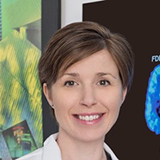
2020 Awardees
Christin Nance, BA, and Sarah Banks, PhD
Read the press release here
Christin Nance, BA, earned her undergraduate degree in Psychology in 2015 at the University of Nevada, Las Vegas, where she conducted research on the psychophysiology of emotion and personality. Subsequently, she joined the Cleveland Clinic Lou Ruvo Center for Brain Health as a research coordinator and Certified Specialist in Psychometry (CSP), working with the neuropsychology team. Most notably, she coordinated novel investigations of the GE-180 PET ligand under a Centers of Biomedical Research Excellence (COBRE) grant funded by the National Institutes of Health (NIH) and the National Institute of General Medical Sciences (NIGMS). Her efforts were instrumental in obtaining the GE-180 Investigational New Drug (IND) license under Federal Drug Administration (FDA) approval, facilitating research on the relationship between neuropsychology test scores and biomarkers of inflammation in patients with AD and Parkinson’s disease. In 2019, she joined the technology/health start-up Ready Responders and now provides clinical patient care at a Las Vegas homeless shelter during the SARS CoV-2 pandemic.
Sarah Banks, PhD, is a board-certified neuropsychologist and Associate Professor of Neurosciences and modifiable risk factors in AD. Dr. Banks earned her BSc in Psychology at the University of Edinburgh in her native UK, then her PhD at Northwestern University’s Feinberg School of Medicine (Chicago), before completing her postdoctoral fellowship at the Montreal Neurological Institute, part of McGill University. She then moved back to the US in 2011 to initiate the Cleveland Clinic Lou Ruvo Center of Brain Health’s Neuropsychology Program in Las Vegas, NV. She led this program through its expansion before joining the team at UC San Diego in 2018 where she continues her research combining imaging, cognition and genetics of AD, in addition to directing the neuropsychology program of a new multidisciplinary memory disorders clinic. Her clinical and research focus is AD and related disorders. She has a particular interest in better understanding how cognitive measures and biomarkers correspond to pathology and how factors including sex impact these relationships, as well how we can adjust lifestyle factors to mitigate risk of cognitive decline.
Importance of Published Article
One of the challenges in managing Alzheimer’s disease (AD) is the variable rate of cognitive decline among patients. Individuals diagnosed with AD who experience rapid cognitive decline (RCD) are associated with worse functional outcomes and a higher mortality rate than those with normal rates of cognitive decline (NCD). There is no current consensus on the baseline risk factors for RCD in AD, warranting further exploration.
In “The Pathology of Rapid Cognitive Decline in Clinically Diagnosed Alzheimer’s Disease” (J Alzheimers Dis 70, 983-993, 2019), Nance C, Ritter A, Miller JB, Lapin B, and Banks SJ, investigate the demographic, clinical, and pathological differences between RCD and NCD in AD. Data on individuals with clinically-diagnosed AD, taken from the National Alzheimer’s Coordinating Center (NACC) Uniform Data Set (UDS), are compared with autopsy data from the NACC Neuropathology Data Set (NP). To the authors' knowledge, this is the largest autopsy sample studied for defining clinical characteristics and variables of cognitive status in RCD.
The central findings of the study suggest that individuals with RCD had a more severe pathological signature than those with NCD: higher prevalence of comorbidities; more severe cerebral amyloid angiopathy; more diffuse neocortical Lewy bodies; and greater gross lobar atrophy. Despite similar baseline Mini-Mental Status Examination scores, individuals with RCD had lower baseline neuropsychology test score in domains of language and memory (WMS Logical Memory Immediate Recall, Animal naming, Boston Naming Test) as well as executive functioning (Trails B and WAIS-R Digit Symbol). In contrast with previous research, none of the demographic factors observed differed significantly between groups in this sample, but limitations noted in the paper suggest that further research is necessary to better capture the early profile of patients most likely to experience RCD.
|
|
 
2019 Awardees
Yan-Jiang Wang, MD, PhD and Xian-Le Bu, MD, PhD
Read the press release here
Yan-Jiang Wang is the professor of Neurology at the Department of Neurology in Daping Hospital, Third Military Medical University, China. He is the vice chair of Academy of Cognitive Disorder of China and director of Vas-Cog Asia. He completed his MD training at Third Military Medical University in China, and PhD training at Flinders University in Australia. His research focuses on the diagnostic biomarkers and novel therapies for Alzheimer’s disease (AD). His group found that amyloid-β (Aβ) metabolism in the brain is dynamically connected with that in the periphery, peripheral-derived Aβ participates in the pathogenesis of AD and clearance of Aβ and tau from blood can reduce Aβ and pathological tau accumulation in the brain. Based on these findings, he and colleagues proposed the systemic view of AD to understand the disease pathogenesis and develop the therapeutics from systemic approaches (Wang J, Gu BJ, Masters CL, Wang YJ (2017) Nat Rev Neurol 13, 612-623).
Xian-Le Bu is a neurologist at Daping Hospital, Third Military Medical University, China. He did his medical doctor training and received PhD in Third Military Medical University (2012-2016). He was granted with the National Natural Science Foundation of China. His research focus is on the association of systemic disease and AD, and he and colleagues discovered: 1) numerous systemic diseases are associated with AD risk and peripheral Aβ metabolism, suggesting that the disorder of peripheral Aβ metabolism may be involved in AD pathogenesis. 2) blood-derived Aβ can enter brain and induce AD-type pathologies, providing novel insight into AD pathogenesis from a systemic view; 3) the substantial contribution of the peripheral system to the clearance of brain Aβ, providing proof-of-concept evidence that development of drugs and therapies for AD could be focused on peripheral rather than central Aβ clearance.
Importance of Published Article
The work presented in the paper J Alzheimers Dis 63, 1337-1346) was performed by Dr. Zhen-Qian Zhuang and colleagues in Professor Wang’s laboratory in Daping Hospital of Third Military Medical University. It has been shown that gut microbes can influence brain function and behavior via the microbiota-gut-brain axis. The alterations in the gut microbiota composition were proven to be linked to a number of neuropsychiatric disorders. However, it remains unclear whether gut microbiota participates in the pathogenesis of AD. In this study researchers collected the feces from patients with AD, and found that gut microbiota composition in the patients was different from that in cognitively normal controls. Several bacterial taxa, such as Actinobacteria, Bacteroidales, Ruminococcaceae, Selenomonadales, and Lachnoclostridium, contributed to the differences. This study provides evidence that gut microbiota composition is altered in patients with AD, suggesting that gut microbiota participates in the disease pathogenesis and modulation of gut microbiota might be a potential therapeutic strategy for AD.
2019 Sponsor
The 2019 Alzheimer Award is proudly sponsored by Memory Health, part of the Avantius Group. Memory Health distributes a nutritional supplement to improve memory and cognitive function, to support brain health and to promote overall healthy aging. Developed by a group of leading European scientists studying the critical role of nutrition in brain health, the formula was recently used in a groundbreaking study for dementia and Alzheimer’s research.
|
|

2018 Awardee
Greg Kennedy, BSc (Hons)
Read the press release here
Greg Kennedy received his undergraduate degree in Psychology and Psychophysiology in 2010 at Swinburne University of Technology. He then completed a first-class Honours degree in Psychology in 2012, investigating the relationship between cognitive aging and cerebrovascular functioning, before joining the Centre for Human Psychopharmacology at Swinburne University of Technology, where he is currently a PhD candidate working with Professors Andrew Pipingas, Andrew Scholey and Denny Meyer. His research has included the effects of diet and nutrients, such as cocoa flavanols and polyphenols, on cognition and vascular health. However his primary focus as an early career researcher is on exercise and fitness as a way to attenuate the rate of age-related cognitive decline in older people, and researching the associated underlying mediating mechanisms.
Importance of Published Article
The current lack of long-term, effective pharmacological treatments, warrants a strong focus on prevention strategies in the efforts to reduce the impact of cognitive impairment and onset of dementias such as Alzheimer’s disease (AD). Exercise is potentially a low-cost, effective and easily implemented intervention, with no intrinsic negative side-effects. Exercise has been found to improve cognitive ability, reduce the rate of age-related cognitive decline, and even significantly mitigate the lifetime risk of developing AD and other dementias. The mechanisms underlying such positive effects remain unclear. In the winning paper “How Does Exercise Reduce the Rate of Age-Associated Cognitive Decline? A Review of Potential Mechanisms” (J Alzheimers Dis 55, 1-18, 2017), Kennedy et al. examine pathways via which exercise may maintain or improve cognitive functioning during senescence. These include physiological effects of exercise on modifiable risk factors such as vascular function, BDNF production, insulin sensitivity, stress, and inflammation.
A greater understanding of these mechanisms and their relationships with exercise and cognition may provide potential biomarkers for investigating the efficacy of different exercise regimes on cognitive outcomes. To this end, Greg and his colleagues have implemented the Lifestyle Intervention in Independent Living Aged Care (LIILAC) study, a clinical trial of exercise and dietary interventions on cognition in people residing in independent living accommodation communities. Because severe cognitive decline and dementia are the primary reasons for transition from independent living to aged care, this is an important population to work with, as they are generally at a stage of life where lifestyle interventions still have potential to be protective. Reducing the rate of this transition has significant social and economic benefits for both the individual and society as a whole.
“Physical Fitness and Aortic Stiffness Explain the Reduced Cognitive Performance Associated with Increasing Age in Older People” (Kennedy et al., J Alzheimers Dis 63, 1307-1316, 2018) is the first exercise/fitness outcome paper from the LIILAC study. This study, and future research in the area, will help to elucidate the complexity of the interactions involved in exercise-based amelioration of age-related cognitive decline detailed in Kennedy et al.’s (2017) review, and contribute to the evidence base for the potential use of exercise as an effective intervention strategy.
|
|
 2017 Awardee 2017 Awardee
Shi-Jiang Li, PhD
Dr. Shi-Jiang Li graduated from the Department of Electronic Engineering from Tsinghua University, Beijing, China, in 1970; completed his master’s program training at the Institute of Biophysics, Chinese Academy of Sciences, in 1980; and received his PhD in biochemistry from the Ohio State University in 1985. He completed his postdoctoral fellowship training at the Johns Hopkins University, School of Medicine, in 1988. He joined the faculty of the Medical College of Wisconsin in 1988. He is currently Professor of Biophysics, Radiology, and Psychiatry and Behavioral Medicine. He published the first article to evaluate a resting-state fMRI index as a potential biomarker for Alzheimer’s disease (Li et al., Radiology 225, 253-259, 2002). From 2009 to 2016, he served as the Director of the Center for Imaging Research at the Medical College of Wisconsin. Since 1990, he has been continuously funded by the NIH and private foundation grants. He is a mentor and sponsor or co-sponsor of 21 current and former NIH career development awards trainees, postdoctoral fellows, and PhD students. In collaboration with his colleagues, his research focuses on the development of cutting-edge MRI technologies to study Alzheimer’s disease, drugs abuse, and human consciousness and translate the findings to clinical applications. He has published more than 110 articles, books, and chapters.
Importance of Published Article
Alzheimer’s disease (AD) is a complex, multifactorial disease. It has been difficult to develop a biomarker to closely link preclinical AD status with continuous disease development to accurately predict progressive AD trajectories, given the condition that the insidious disease onset often takes decades. Built on the advancement of the event-based probabilistic model in AD research (Young et al., Brain 137, 2564-2577, 2014), we integrated the 10 available AD biomarkers to calibrate the temporal sequence of events that occur during the AD developmental continuum. Our findings in the article “Staging Alzheimer's Disease Risk by Sequencing Brain Function and Structure, Cerebrospinal Fluid, and Cognition Biomarkers” (Chen et al., J Alzheimers Dis 54, 983-993, 2016) demonstrated that the abnormal functional connectivity events in the hippocampus network and the default mode network are the “upstream” factors that occur before the abnormal Aβ and p-tau level events occur in the cerebrospinal fluid, supporting the network dysfunction hypothesis of AD. Using the 10 sequential numeric scores, we created an index—termed the characterizing Alzheimer’s disease risk events, or “CARE,” index—to characterize risks associated with AD stages and quantify disease severity on an individual subject basis. The CARE index constructed the main framework for biology-based AD stages and demonstrated that clinically diagnosed mild cognitive impairment subjects are biologically heterogeneous and are distributed across the AD continuum. We believe the CARE index will have wide clinical applications. If the temporal course of disease progression is consistent with biomarker-defined events in individuals, we will have a crucial window of opportunity to intervene with disease-modifying therapy. The CARE index will facilitate clinical trials by selecting the right segmentation of patient populations based on their disease stages to enrich the response rate and statistical power; it can also be used to monitor and evaluate treatment efficacy through changes in stage status in individual subjects.
|
|
 2016 Awardee 2016 Awardee
Mark W. Bondi, PhD
Dr. Mark W. Bondi received his PhD in clinical psychology and neuropsychology from the University of Arizona in 1991. He completed his internship and fellowship training at UC San Diego and joined the faculty in 1994. He is currently Professor of Psychiatry at UC San Diego and Director of the Neuropsychological Assessment Unit at the VA San Diego Healthcare System. He has served on several elected boards of the American Psychological Association, the Board of Directors of the American Board of Clinical Neuropsychology, and Board of Governors of the International Neuropsychological Society. He is a Fellow of the American Psychological Association and National Academy of Neuropsychology, and he is President-Elect of the Society for Clinical Neuropsychology (Division 40 of APA). Since 1991 he has received continuous funding from NIH, VA, and private foundation grants; he is the recipient of a Mid-Career Investigator Award in Patient-Oriented Research from NIA; and he is sponsor or co-sponsor of 11 NIH and VA career development awards of his current and former trainees. His research centers on the cognitive and brain changes of individuals at risk for dementia, and he has published more than 165 articles, books, and chapters.
Importance of Published Article
The NIA-AA criteria for “preclinical” Alzheimer’s disease (Sperling et al., Alzheimers Dement 7, 280-292, 2011) propose a staging method in which AD biomarkers follow an invariant temporal sequence in accordance with the amyloid cascade model: Stage 1 refers to amyloid accumulation only; Stage 2 refers to amyloidosis plus neurodegeneration; and Stage 3 requires both plus evidence of subtle cognitive decline. However, our study findings (Edmonds et al., J Alzheimers Dis 47, 231-242, 2015) did not conform to this sequence. We found that, among participants in the Alzheimer’s Disease Neuroimaging Initiative, neurodegeneration alone was 2.5 times more common than amyloidosis alone at baseline. For participants who demonstrated only one abnormal biomarker at baseline and later progressed, neurodegeneration was most common. Amyloidosis only or subtle cognitive decline only were less common—and equally common. Thus, the majority did not show amyloid positivity as the first sign of their eventual progression to MCI or AD diagnosis, suggesting that most individuals do not follow the temporal order proposed by NIA-AA criteria. In this article we also provide an operational definition of subtle cognitive decline that follows from our prior work on defining MCI via actuarial neuropsychological criteria (Bondi et al., J Alzheimers Dis 42, 275-289, 2014), and we offer a new approach to staging preclinical AD based on number of abnormal markers without regard to their temporal order. This method of characterizing preclinical AD is more parsimonious than the NIA-AA staging system and does not presume that all patients follow a singular invariant expression of the disease in accordance with the amyloid cascade model.
|
|
 2015 Awardee 2015 Awardee
Hartmuth Kolb, PhD
Dr. Hartmuth Kolb received his PhD in Organic Chemistry in 1991 at Imperial College of Science, Technology and Medicine, London, UK. Following postdoctoral work with K. Barry Sharpless (2001 Chemistry Nobel Laureate), he joined Ciba-Geigy in 1993. In 1997, Dr. Kolb became the Head of Chemistry at Coelacanth Corporation. In this role, he and Dr. Sharpless developed the Click Chemistry approach to drug discovery. In 2002, he joined The Scripps Research Institute as an Associate Professor, focusing on in situ Click Chemistry. From 2004 to 2013, he was the head of the Siemens Biomarker Research group, where he and his team developed novel oncology and neurodegenerative disease PET tracers, key highlights being the PHF-Tau tracer, [18F]-T807 and [18F]-T808. Dr. Kolb joined Johnson & Johnson in January 2014 as the Head of Neuroscience Biomarkers. He is an author on over 75 peer-reviewed publications and review articles.
Importance of Published Article
Hyperphosphorylated tau protein is the main component of NFTs and neuropil threads, which are pathological hallmarks of AD and other neurodegenerative diseases. NFT spread increases with disease progression and the density correlates with dementia severity. Up until recently, most human studies related to NFTs were performed with postmortem tissue. Kolb and co-investigators have developed positron emission tomography (PET) imaging tracers [18F]-T807 and [18F]-T808, which show promise for the in vivo evaluation of NFT pathology.
The clinical study (J Alzheimers Dis 38, 171-184, 2014) showed that healthy subjects displayed little tracer retention in the cortical gray matter, while two AD subjects showed a distinct pattern of radiotracer retention, consistent with the expected NFT deposit pattern described by Braak et al. Interestingly, one subject with severe AD had a higher [18F]-T808 retention in the occipital lobe than all the other subjects. Clinically, this subject had vision loss without eye structural abnormalities, suggesting a central nervous system process. Thus, tau PET imaging holds great promise for the in vivo determination of the severity of the disease and for monitoring disease progression.
|
|
|
 2014 Awardee 2014 Awardee
Bob Olsson, Ph.D.
Bob Olsson, PhD, received his degree in Endocrinology from the University of Gothenburg, Sweden in 2001. After a 16-month postdoctoral fellowship in Obesity and Diabetes research and a second one in Hematology research for 21 months, both at the University of Gothenburg, Dr. Olsson got a four year Junior Research position from the Swedish Research council followed by a Senior Research position from the University of Gothenburg. He is now tenured as an Assistant Professor and works with cerebrospinal fluid markers for neurodegenerative and autoimmune diseases together with Professors Kaj Blennow and Henrik Zetterberg in the Department of Neurochemistry at the University of Gothenburg.
Importance of Published Article
Microglia has been implicated in Alzheimer’s disease (AD) and in the paper “Microglial markers are elevated in the prodromal phase of Alzheimer's disease and vascular dementia” (J Alzheimers Dis 33, 45-53, 2013). Olsson et al. show that the microglial marker YKL-40 is increased in cerebrospinal fluid (CSF) from AD compared with healthy controls. Both YKL-40 and a second microglial marker called sCD14 were elevated in CSF from mild cognitive impairment (MCI) patients that progressed to vascular dementia. In addition, YKL-40 was elevated in CSF from MCI patients with a CSF profile indicative of AD, i.e., elevated levels of T-tau and decreased levels of Aβ42 compared with stable MCI patients with a normal profile. Thus, microglial activation is an early event in both AD and vascular dementia. Furthermore, both microglial markers were extremely stable in patients over 6-month period indicating that they can successfully be used in clinical trials aimed at lowering microglial activation.
|
|
|
 2013 Awardee 2013 Awardee
Ineke van Rossum, M.D.
Ineke van Rossum studied Medicine at the University of Amsterdam in the Netherlands. After obtaining her medical degree, she worked as a resident at the Neurology department of Medical Center Alkmaar. From March 2009 until April 2013, she worked as a PhD student at the Alzheimer Center of the VU University Medical Center in Amsterdam. Under supervision of Dr. Pieter Jelle Visser and Prof. dr. Philip Scheltens, she studied the use of cerebrospinal fluid and MRI biomarkers for the diagnosis and prognosis of Alzheimer’s disease in subjects with mild cognitive impairment. In April 2013 she started her specialist registrar training at the Neurology Department of the VU University Medical Center.
Importance of Published Article
Now that it is possible to diagnose Alzheimer’s disease (AD) in subjects with mild cognitive impairment (MCI) using biomarkers, it is increasingly important to identify prognostic markers, especially for the rate of progression to dementia. The findings described in the paper "Injury markers but not amyloid markers are associated with rapid decline from mild cognitive impairment to Alzheimer’s disease type dementia" (J Alzheimers Dis 29, 319-327, 2012) implicate a different role for biomarkers in the diagnosis and prognosis of subjects with mild cognitive impairment due to Alzheimer’s disease (AD).
The main finding of the study was that in MCI subjects who all progressed to AD-type dementia, injury markers, t-tau and p-tau in cerebrospinal fluid (CSF), and hippocampal atrophy, but not CSF Aβ1-42, predicted rapid cognitive decline. In the total sample of MCI subjects, both amyloid and injury markers were associated with progression to AD-type dementia. These findings suggest that the diagnostic work-up of subjects with MCI may have a two-step approach. First, amyloid markers can be used to define whether prodromal AD is present. Second, injury markers could be used to determine prognosis. These results may also be relevant for trial design, as injury markers may help to select MCI subjects with more rapid cognitive decline, thereby reducing sample size and trial costs.
|
|
 2012 Awardee 2012 Awardee
Anders Lönneborg, PhD
Anders Lönneborg, PhD, received his degree in molecular plant physiology from the University of Umeå, Sweden in 1986. After a postdoctoral fellowship in molecular plant biology at Michigan State University under the mentorship of Professor Chris Somerville, and working as a Research Scientist at the Norwegian University of Life Sciences and later as a Senior Scientist at the Norwegian Forest Research Institute, Dr. Lönneborg was acknowledged competence as professor in 1995. In 1998 he founded, together with Dr. Praveen Sharma, the company DiaGenic. From the start, Dr. Lönneborg has been the Research Director of DiaGenic and between 2003 and 2007 served as the company’s CEO. The focus of DiaGenic has always been to develop blood tests based on gene expression to aid the diagnosis of important diseases, primarily neurodegenerative diseases like Alzheimer’s and Parkinson’s diseases. The company is now also aiming to develop companion diagnostics and biomarkers to aid the development of novel treatments for Alzheimer’s disease.
Importance of Published Article
The team behind the paper “A Novel Blood Test for the Early Detection of Alzheimer’s Disease" (J Alzheimers Dis 23, 121-129, 2011), including Dr. Lönneborg, investigated the diagnostic value of a 96-gene expression array for detection of early AD. A disease classification algorithm was developed and was validated in two steps using an independent initial test set and another second test set. A similar accuracy (72%), sensitivity (72%) and specificity (71%) were achieved both in the initial analysis and in the two independent test sets. When compared with available CSF biomarker data high agreement (80%) was found. Although further studies are needed to confirm these findings they suggest that the gene expression test using a convenient blood sample can aid the diagnosis of mild to moderate AD.
|
|
 2011 Awardee 2011 Awardee
Mark A. Smith, Ph.D.
Mark A. Smith received his Ph.D. in 1990 from Nottingham University. In 1992, he joined the laboratory of George Perry at Case Western Reserve University, where he provided the first solid foundation to establish the role of oxidative stress in Alzheimer disease. His body of work on this topic and his dedication as a teacher and willingness to serve the university in many capacities earned him the title Professor in 2002. His work on cell cycle re-entry, free radical involvement and mitochondrial disruption led to numerous honors such as the Jordi-Folch award from the American Neurochemistry Society, Hermann-Esterbauer Award from the HNE Society, the Outstanding Investigator Award from the American Society for Investigative Pathology, Denham Harman Research Award from the American Aging Association, and the Goudie Lecture and Medal from the Pathological Society of Great Britain and Ireland. Together with his first Ph.D. student Xiongwei Zhu, he developed the two-hit hypothesis of Alzheimer disease and is perhaps most known in the field for arguing against the amyloid hypothesis. Even more, he is known as being an exceptionally generous mentor and colleague (http://neurotree.org/neurotree/peopleinfo.php?pid=9563). Sadly, his life was cut tragically short in December 2010, however his work continues on, and his memory will never be forgotten by those whose lives he touched. Please visit http://www.j-alz.com/marksmith.html for more details of his life and comments from those whose lives' he touched.
Importance of Published Article
Dr. Smith’s paper, “Increased Iron and Free Radical Generation in Preclinical Alzheimer Disease and Mild Cognitive Impairment” (J Alzheimers Dis 19, 363-372, 2010), documents how the accumulation of redox active iron is correlated with the earliest stages of cognitive impairment. While increased iron and iron related compounds have been long associated with the pathological structures amyloid plaques and neurofibrillary tangles found in advanced Alzheimer disease, the finding of increased iron in the brains of preclinical patients suggests a great role for this potent source of free radicals in early disease development. Importantly, redox active iron was not only found to be a feature of the cortical regions, but the iron dyshomeostasis was mirrored in the cerebellum. More often than not, the cerebellum is regarded as an “unaffected” brain region, however, this study clearly finds that free radical attack is a global brain event. From this work, treatment avenues, imaging techniques, and concepts of disease progression and brain region involvement will be revolutionized.
|
|
 2010 Awardee 2010 Awardee
Rudy J. Castellani, M.D.
Rudy J. Castellani, Jr., MD, received his medical degree from Wayne State University in 1990, after which he trained in anatomic pathology at Wayne State University’s Detroit Medical Center, followed by a neuropathology fellowship at Case Western Reserve University and University Hospitals of Cleveland, under the mentorship of Drs. Pierluigi Gambetti, MD, Mark Cohen, MD, and Uros Roessmann, MD. Since completing his neuropathology training, Dr. Castellani has held faculty positions at Case Western Reserve University, Michigan State University, and, most recently, the University of Maryland School of Medicine, where he is presently Professor of Pathology, Director of Neuropathology, Directory of Autopsy Services, and Director of the Pathology Graduate Program. Dr. Castellani is also the current President of the Maryland Society of Pathologists. Throughout his career Dr. Castellani has studied the pathology and pathogenesis of neurodegenerative disease, most notably human prion diseases and Alzheimer’s disease. His work in research years has focused on the role of Alzheimer’s disease pathological lesions, proteins and cascades comprising those lesions, upstream events including heavy metal toxicity and oxidative stress, and their relevance in clinical disease.
Importance of Published Article
Dr. Castellani’s paper, “Reexamining Alzheimer’s Disease: Evidence for a Protective Role for Amyloid-β Protein Precursor and Amyloid-β,” (J Alzheimers Dis 18, 447-452, 2009) is a synthesis of pathogenic hypotheses and their relationship with presumed causative lesions (e.g., amyloid-β) and molecules (amyloid-β, amyloid-β protein precursor). His assessment of the state of knowledge is a somewhat cynical and stinging rebuke (necessarily so in his view) of the major school of thought in Alzheimer’s disease pathogenesis, which he describes as reductionist and fundamentally backward. He bases this interpretation on the pathology, and the relationship between pathology and disease that clearly indicates plaques, amyloid-β protein precursor processing, and amyloid-β metabolism, as effect, or “host response,” rather than cause. He goes on to provide evidence for the beneficial and protective effects of amyloid formation across species, and its role as antioxidant, metal chelator, and oligomer detoxifier. Perhaps the most important contribution of this article overall is the previously unemphasized point that the pathology of chronic diseases in general, and Alzheimer’s disease in particular, tends to distract from upstream processes, and instead encourages the characterization and continued pursuit of small molecule cascades that are, at best, epiphenomenal.
|
|
 2009 Awardee 2009 Awardee
John Cogswell, Ph.D.
John Cogswell, Ph.D., a former researcher at GlaxoSmithKline Inc., Research Triangle Park, NC received his initial training from Duke University, Durham, North Carolina followed by postdoctoral fellowships in cellular and molecular immunology at the University of California, Los Angeles and University of North Carolina, Chapel Hill. In 16 years at GSK, John and colleagues developed high content qRT-PCR and histology applications that identified tractable targets from the human genome sequencing project and transcriptional biomarkers that decreased attrition in drug discovery.
Importance of Published Article
The work published in the paper “Identification of miRNA changes in Alzheimer’s disease brain and CSF yields putative biomarkers and insights into disease pathways“ (J Alzheimers Dis 14: 27-41, 2008) examines changes in microRNA expression and their role in the sporadic form of the disease. MicroRNAs are small regulatory RNAs that affect many basic cellular and biological processes. They are best known for regulating RNA and protein expression in pathways and networks due to the combinatorial binding potential between microRNAs and their targets. Using a sensitive and specific qRT-PCR technology this paper demonstrates altered expression of specific microRNAs in the brain of Alzheimer’s disease (AD) subjects. The changes were both dependent and independent of the pathological changes with some detected quite early in the disease. Many of the microRNAs have functional roles in known AD pathways including neuronal differentiation, glutamate, and innate immunity although the potential combinatorial effects on insulin signaling were noteworthy. Because of the need for diagnostic biomarkers of disease progression this paper additionally examines the microRNAs in the cerebrospinal fluid of late stage AD patients. Again AD-specific changes were detected although here microRNAs with known and potential combinatorial effects on T lymphocyte signaling and inflammation pathways were identified. Because the CSF contains memory T cells and antigen presenting cells involved in immune-surveillance of the brain, these data suggested that microRNA responses in CSF cells might be sentinels of the disease. More work is required to validate whether these changes are specific to AD, can be used to follow the course of AD or overlap with other neurodegenerative diseases involving inflammation. However, the data highlight the potential of microRNAs to further understand sporadic Alzheimer’s disease and provide accessible biomarkers to aid clinical diagnosis.
|
|
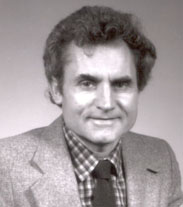 2008 Awardee 2008 Awardee
Milan Fiala, M.D.
Milan Fiala, M.D., a Research Professor of Orthopaedic Surgery at UCLA, Los Angeles, California, received his initial training at the University of Charles IV, Prague, Czechoslovakia and his M.D. degree at the University of Geneva, Switzerland. He obtained a M.Sc. (Epidemiology) from Harvard School of Public Health and pursued translational research in respiratory, herpes and retroviruses viruses at the University of Washington, the University of Pennsylvania and UCLA, where his work played key role in controlling infections of immunocompromised patients. In the last decade he has developed a modification of the amyloid-beta hypothesis suggesting that the underlying problem of patients with Alzheimer's disease lies in the defectiveness of the innate immune system to clear amyloid-beta in the brain. Dr. Fiala’s laboratory is situated in Orthopaedic Hospital Research Center and includes key UCLA collaborators, John Adams, M.D., Martin Hewison, Ph.D., Philip T. Liu, Ph.D., Araceli Espinosa-Jeffrey, Ph.D., Mark J. Rosenthal, M.D., John M. Ringman, M.D., and research staff including many gifted students. Outside collaborators include John Cashman, Ph.D., HBRI, San Diego; Naoyuki Taniguchi, Osaka University; and Albert S. Lossinsky, New Jersey Neuroscience Institute, Edison, New Jersey.
Importance of Published Article
The work presented in the paper, "Phagocytosis of amyloid-beta and inflammation: two faces of innate immunity in Alzheimer’s disease" (J Alzheimers Dis 11: 1-7, 2007), is a review and a new concept of Alzheimer's disease. The solid data behind the new concept were previously published and showed: a) infiltration of Alzheimer's disease brain by macrophages (Eur J Clin Invest 32:360, 2002); b) irregular clearance of amyloid-beta in plaques (J Alzheimers Dis 7:221-232, 2005); c) enhanced clearance of amyloid-beta by treatment of immune cells with curcuminoids (J Alzheimers Dis 10: 1-7, 2006); and d) defective transcription of genes important for phagocytosis by macrophages of patients (Proc Natl Acad Sci USA 104: 12849-12854, 2007). The basic concept is that physiological balance between phagocytosis and degradation of amyloid-beta and inflammation maintain the pristine condition of neurons. However, in patients with Alzheimer's disease, phagocytosis, degradation of amyloid-beta, and clearance of neurons decrease and inflammation increases due to transcriptional imbalance. In fact, in vitro in brain sections normal macrophages search for neurons (due to a chemokine in neurons), infiltrate and clear neurons of oligomeric and soluble amyloid-beta, whereas macrophages of patients are defective in these functions. However, natural substances, such as curcuminoids, may restore this balance by increasing the transcription of key genes, including Toll-like receptors. Ongoing work based on these concepts will further expand these ideas to develop a blood test for early detection of immune deficiency leading to Alzheimer's disease. It is hoped that these discoveries will lead to all-inclusive approach to Alzheimer's disease: detection at an early stage and prevention by curcuminoids and other substances, which are likely to be effective before neuronal demise occurs.
|
|
 2007 Awardee 2007 Awardee
Jing Zhang, M.D., Ph.D.
Jing Zhang, M.D., Ph.D., is an Associate Professor of Pathology and Ophthalmology at the University of Washington School of Medicine in Seattle, Washington. He received his initial undergraduate and medical training in Shanghai, China. After graduating from a Ph.D. program in Cell Biology at Duke University in 1995, he finished his medical residency and fellowship in Anatomic Pathology and Neuropathology, respectively, at Vanderbilt University in 2001. While his research focus was centered on brain ischemia in his Ph.D. program, as a neuropathology fellow, Dr. Zhang turned his attention to neurodegenerative disorders, particularly Parkinson’s disease. Since that time, Dr. Zhang has begun applying a novel technology – proteomics – to neurodegenerative research.
Proteomics was developed to study protein expression, structure, and function, typically in a nonbiased and robust fashion. The current intense interest in proteomics is largely driven by two forces: (i) the human genome and the genomes of other organisms have been fully sequenced, making their proteomes accessible; and (ii), proteins, not gene transcripts, are the functional endpoints of gene expression, and it is well established that there is often a poor correlation between the level of mRNA and the level of translated proteins.
Armed with this state-of-the-art technology, Dr. Zhang and his colleagues have been actively searching for unique proteins involved in Alzheimer’s disease (AD) and Parkinson’s disease (PD), as well as in the aging process. One of the hypotheses being tested is that there are unique protein markers for AD and PD in brain tissue, and that some of these markers have the potential to be detected in human cerebrospinal fluid (CSF) as biomarkers. The research team is comprised of several neuropathologists, i.e. Drs. Ellsworth Alvord, James Leverenz, and Thomas Montine. Another key member of the team is Dr. Elaine Peskind, a prominent AD researcher at the University of Washington who has established one of the largest CSF banks in the country. Finally, Dr. Zhang’s pursuit has been supported by a quite a few investigators from other institutions, including Dr. Joseph Jankovic at the Baylor College of Medicine in Houston, Drs. John Nutt, Kathleen Chung and Joseph Quinn at Oregon Health and Science University, Dr. Marla Gearing at Emory University in Atlanta, Dr. Christine Hulette at Duke University in Durham, Dr. Roger Albin at the University of Michigan, and more recently, Dr. Dennis Dickson at the Mayo Clinic in Jacksonville. Obtaining well characterized human brain and CSF samples from his collaborators is a very important, if not the most important, step towards the success of Dr. Zhang’s proteomics study.
Importance of Published Article
The work presented in the paper "Detection of Biomarkers with a Multiplex Quantitative Proteomic Platform in Cerebrospinal Fluid of Patients with Neurodegenerative Disorders" (JAD 9:293-348, 2006) was performed in Dr. Zhang’s lab with CSF collected at Baylor College of Medicine, Oregon Health and Science University, and the University of Washington in Seattle. This study compared the proteins in CSF from patients with AD, PD and dementia with Lewy bodies (DLB), along with healthy controls. To identify and evaluate these proteins, a quantitative proteomics technique called iTRAQ, a highly sensitive and specific method that relies on isotopic labeling of protein molecules was used, followed by a mass spectrometry analysis. This particular technique is a major improvement on other biomarker detection methods, and the subsequent results of this comparison enabled the researchers to identify and quantify more than 1,500 proteins in CSF samples, as well as to determine unique panels of biomarkers that distinguished AD, PD and DLB not only from controls, but also from each other. A key component to the research was that three different diseases were analyzed simultaneously along with normal controls, which helped to determine whether a particular protein response was related to a specific disease, and not just a neurodegenerative disease in general. These protein biomarkers, if validated, could be used clinically to assist the diagnosis of these major neurodegenerative disorders, monitoring their progression, as well as gauge therapeutic effects of existing and new pharmacological therapies. As new treatments for AD and PD are developed, the importance of early diagnosis grows. A diagnosis early in the course of the disease increases the likelihood of success from treatments that might slow disease progression, as well as helping patients and their families make plans for future care.
|
|
 2006 Awardee 2006 Awardee
P. Hemachandra Reddy, Ph.D.
P. Hemachandra Reddy was a commonwealth scholar (1990-1993) before receiving his Ph.D. (1994) from University College , London University . He did his postdoctoral training (1995-2000) with Dr. Danilo A. Tagle at the National Human Genome Research Institute, National Institutes of Health, Bethesda , MD. In his post-doctoral research, Dr. Reddy isolated and characterized cDNAs containing polymorphic polyglutamine (CAG)n repeats in the adult human brain cDNA library. In 1998, Dr. Reddy was the first researcher to develop a transgenic mouse model for Huntington's disease (HD) using full-length HD cDNA. This mouse model showed progressive phenotypic behavior and selective neurodegeneration in the striatum and cortex. After his postdoctoral training, Dr. Reddy joined the Neurological Sciences Institute Faculty at Oregon Health & Science University (OHSU) in July 2000 and established the OHSU Neurogenetics Laboratory. The research focus in the Reddy laboratory is on understanding molecular and cellular bases of neurodegenerative diseases. Currently, the Reddy laboratory is focusing on unraveling the connection between amyloid-β (Aβ) and synaptic damage, and Aβ and mitochondrial oxidative damage in Alzheimer's disease (AD).Dr. Reddy is studying synaptic pathology, mitochondrial oxidative damage, and the association of synaptic damage and mitochondrial dysfunction with cognitive decline in AD, using AD postmortem brain specimens, AD transgenic mouse models (Tg2576 mice, AβPP/PS1 mice, and AβPP/PS1/Tau mice), AβPP cell models, state-of-the art gene expression techniques, and molecular and biochemical methods. In addition to standard molecular and cell biology techniques, the Reddy laboratory has established quantitative real-time PCR technique in combination with Sybr-green chemistry, fluorescently labeled in situ hybridization and immunofluorescence analysis techniques. Dr. Reddy has successfully applied these techniques in numerous studies to determine differentially expressed mitochondrial genes, the cellular localization of mitochondrial mRNAs, and their association with mitochondrial dysfunction in AD patients and AD transgenic models. Recently, the Reddy laboratory demonstrated an association of Aβ with mitochondria in AD transgenic (Tg2576 mice) and mouse neuroblastoma (N2a) cells expressing human mutant AßPP. Further, Dr. Reddy and his colleagues have demonstrated that in Tg2576 mice, mitochondrial Aβ induces free radical production, decreases cytochrome c oxidase activity, and increases carbonyl proteins during disease development and progression.
Importance of Published Article
Members of the Reddy laboratory performed the research presented in the paper “ Differential loss of synaptic proteins in Alzheimer's disease: Implications for synaptic dysfunction” (JAD 7:103-117, 2005). Synaptic pathology is a prominent feature of AD and strongly correlates with cognitive impairments. Synaptic damage occurs early in AD development, suggesting that synaptic alterations are a primary event in the progression of AD. However, the underlying mechanisms of synaptic pathology in AD are not completely understood. The degree of cognitive decline in patients with AD has been correlated with changes in the presynaptic vesicle protein ‘synaptophysin' in the hippocampus and the associated cortices. However, it remains unclear how synaptic organization, including presynaptic, postsynaptic, and synaptic membrane proteins, is altered in AD patients.
The main objective of the research awarded the prize was to determine whether presynaptic or postsynaptic compartments of neurons in AD patients are preferentially affected by disease. Using immunoblotting, immunocytochemistry, and densitometry techniques, Reddy and his colleagues investigated 3 presynaptic vesicle proteins (synaptophysin, synaptotagmin, and Rab 3A), 2 presynaptic membrane proteins (GAP 43 and synaptobrevin), and 2 postsynaptic proteins (neurogranin and synaptopodin) in a large number of postmortem brains from AD patients and age-matched control subjects. They found a selective loss of both presynaptic and post synaptic proteins in the postmortem brains from the AD patients relative to those from the age-matched control subjects. Of the 7 synaptic proteins studied, the presynaptic proteins synaptophysin and rab 3A, and the postsynaptic protein synaptopodin were the most down-regulated. In addition, this paper is the first to report on the loss of synaptopodin in the postmortem brains from AD patients – a finding that beckons further investigation of postsynaptic proteins in AD patients.
|
|
 2005 Awardees 2005 Awardees
Hideo Hara, M.D. and Takeshi Tabira, M.D., Ph.D.
Hideo Hara, M.D., graduated from the Faculty of Medicine, Kyushu University , Japan in 1983 and received a Ph.D. in 1990 from same university. While doing clinical work in the Department of Neurology at Kyushu University hospital, Dr. Hara developed an interest in neuroimmunology and investigated the T cell receptor repertoire of the CNS infiltrated lymphocytes of multiple sclerosis and HAM/TSP patients. In 1999, Dr. Hara was appointed Section Chief of the Department of Demyelinating Diseases and Aging at the National Institute of Neuroscience, NCNP, Japan. Since that time, Drs. Hara and Tabira have worked to develop immunotherapy for Alzheimer's disease based on their knowledge of neuroimmunology.
Takeshi Tabira, M.D., Ph.D., President of the 8th International Congress of Neuroimmunology in 2006, has been studying multiple sclerosis and other neuroimmunological diseases. He has also conducted numerous high profile studies in Alzheimer disease. Since he is an expert in neuroimmunology, it was natural for him to think of the oral vaccine. He knew that the gut immune system suppresses Th1 and enhances Th2 immune responses. The vaccine-mediated encephalomyelitis is thought to be mediated by Th1-type T cells so this route of treatment could diminish side effects.
Importance of published article
The work presented in the paper “Development of a safe oral Aβ vaccine using recombinant adeno-associated virus vector for Alzheimer's disease” (JAD 6: 483-488, 2004) was performed by Dr. H. Hara at the National Institute for Longevity Sciences, NCGG, Aichi, Japan.
The paper presents a new oral vaccine treatment for Alzheimer's disease using adeno-associated virus (AAV) vector carrying Aβ cDNA. The treatment is quite effective for ameliorating Alzheimer's disease pathology in mice. Immunotherapy is still a promising therapeutic approach for Alzheimer's disease regardless of the reported side effects of the phase IIa trial of AN1792(QS-21). This new oral vaccine does not induce strong Th1 T cell immune reactions, and hence it could reduce the side effects of such meningoencephalitis.
|
|
 2004 Awardee 2004 Awardee
Lester I. Binder, Ph.D.
Dr. Binder received his Ph.D. from Yale University in Biology in 1978 where he worked on microtubule polarity demonstrating that these organelles added subunits from one end more readily than the other. This work represented some of the first papers on microtubule polarity. As a postdoctoral fellow at the University of Virginia, he turned his attention to the neuronal cytoskeleton, publishing the first papers on the subcellular localization of the microtubule-associated protein tau using the first monoclonal antibodies to tau (Tau-1, Tau-2, and Tau-5). This work led to independent collaborations with the Iqbal and Wood laboratories; these studies established Alzheimer disease neurofibrillary tangles as inclusions containing abnormally phosphorylated tau. Since that time, work from the Binder laboratory has focused on the formation of tau filaments, in vitro and neurofibrillary tangle "evolution" in situ during the course of Alzheimer disease.
Importance of published article
The work presented in the paper "Conformational changes and truncation of tau protein during tangle evolution in Alzheimer's disease" (JAD 5:65-77, 2003) was performed by a postdoctoral fellow in Dr. Binder's laboratory, Francisco Garcia-Sierra. Its main findings document seemingly linear alterations in NFTs that can be identified by two antibodies to different folded states of tau: Alz50 and Tau-66. The paper presents evidence indicating that the NFTs reactive with Alz50 predate Tau-66-postive tangles. These and other data strongly suggest a refolding of the tau molecule while in the polymeric inclusions during the course of Alzheimer disease that appear associated with both amino and carboxy truncation of tau.
|
|
 2003 Awardee 2003 Awardee
Massimo Tabaton, M.D.
Massimo Tabaton, M.D., is Professor of Neurology at the University of Genoa, Italy, where he directs a research group involved in studies of various aspects of Alzheimer's disease. In the early 1990s, Dr. Tabaton was the first to identify the molecular components of soluble amyloid-β (Aβ), an early, toxic, and diffusible oligomer, in the brain. Later on, he further characterized the type, binding, and accumulation of soluble Aβ in several pathologic conditions. Another focus of Dr. Tabaton's studies is the amyloidogenic processing of amyloid-β protein precursor (AβPP) following oxidative stress and other pro-apoptotic agents. He first described the overproduction of Aβ in neurons undergoing apoptosis and then identified the cellular mechanisms that underlie this event. His work has led to over 90 peer-reviewed publications in leading journals.
Importance of published article
This work published in the Journal of Alzheimer's Disease clarified an event that was previously revealed by Dr. Tabaton's group, i.e., the amyloidogenic processing of AβPP in the course of apoptosis. Indeed, it is known that Aβ can cause neuronal apoptosis, which, in turn, further fosters Aβ production. This toxic loop may be a critical event of AD pathogenesis. The present study published in JAD showed that apoptosis increases the intracellular content of Aβ, which accumulates in the endoplasmic reticulum, the site of production of the more toxic Aβ42 species. Moreover, this work demonstrated that the caspase cleavage in the C-terminus of AβPP, previously indicated as the key event of Aβ overproduction, is not associated with the increased Aβ production.
|
|
 2002 Awardee 2002 Awardee
Thomas Wisniewski, M.D.
Thomas Wisniewski, M.D., is currently Associate Professor of Neurology, Pathology and Psychiatry at New York University School of Medicine. After graduating from King's College School of Medicine (London), he did a Neurology Residency at New York University and a Neuropathology Residency at Columbia-Presbyterian Hospital, where he was Chief Resident of Neurology and Pathology, respectively. Dr. Wisniewski is Board Certified in both Neurology and Neuropathology. Following his residencies, Dr. Wisniewski did post doctoral training in the laboratory of Prof. Blas Frangione at NYU. Soon after Dr. Wisniewski became the PI of the Neurodegenerative Conformational Disorders Laboratory at NYU, which focused on understanding the mechanisms which drive amyloid deposition in Alzheimer's disease and in other neurodegenerative conditions. Work at the laboratory has lead to over 100 peer-reviewed publications. The aim of his work has been to direct this greater understanding toward therapeutic interventions. Key discoveries have included discovering the role of apolipoprotein E in driving amyloid deposition in late-onset AD. Dr. Wisniewski coined the term "pathological chaperone" to denote the role of apoE, prior to the discovery of the linkage of apoE4 to late-onset AD. Dr. Wisniewski's laboratory has also biochemically characterized the interactions between apoE and amyloid β. More recently, Dr. Wisniewski has been developing strategies for the removal of amyloid both in AD using non-toxic, highly immunogenic proteins as "vaccines". This approach has been shown to be efficacious in both animal models of AD and prion disease. This approach is likely to be superior to the methodologies used by Schenk and the Elan group in their recent ill fated clinical trial. Dr. Wisniewski and his group predicted that amyloid β toxicity will be a problem in this trial and his vaccine approach is aimed at avoiding these potential safety concerns. He has also been working at using the novel "vaccination" approach for a broader list of neurodegenerative diseases, which are called "conformational disease". His recent work has shown that this approach works in the animal models of prion disease.
Importance of published article
Dr. Wisniewski's work has helped to clarify the interactions between apolipoprotein E and amyloid β (Aβ), showing that apoE can directly promote Aβ fibril formation. In addition, Dr. Wisniewski has worked in collaboration with Dr. Jorge Ghiso showing that Aβ peptides can cross the blood-brain barrier (BBB) from the systemic circulation into the brain. In his JAD paper: "Amyloid β40/42 clearance across the blood-brain barrier following intra-ventricular injections in wild-type, apoE knock-out and human apoE3 or E4 expressing transgenic mice", Dr. Wisniewski also demonstrated that Aβ peptides, in particular Aβ1-40, can cross the BBB into the systemic circulation rapidly. This is the first study of Aβ peptide passage across the BBB from the brain. The observation that Aβ1-40 is rapidly cleared, has significance for the present passive and active immunization approaches to reduce amyloid burden. Since Aβ can rapidly exit from the brain into the systemic circulation, as shown in this paper, increasing peripheral clearance of Aβ should be sufficient to reduce the amyloid burden within the brain, without the need for antibodies (or other Aβ binding agents) to cross the BBB (where they are more likely to be associated with inflammatory, toxic side-effects). The paper also demonstrates that this BBB passage of Aβ peptides does not appear to be influenced by apoE isotype expression
|
|
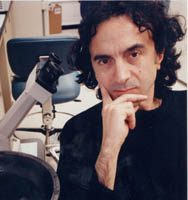 2001 Awardee 2001 Awardee
Luciano D'Adamio, M.D., Ph.D.
Luciano D'Adamio, M.D., Ph.D., is currently a Professor of Immunology at Albert Einstein College of Medicine in New York. After graduating from medical school in Perugia (Italy), he started his PhD program at the University "La Sapienza" (Rome, Italy). Most of his PhD work was done as a collaboration project at the Dana-Farber Cancer Institute, Harvard Medical School (Boston, USA). At Dana-Faber Luciano, under the supervision of Dr. Ellis L. Reinherz, demonstrated that autoreactive T cells during thymic development are eliminated by an apoptotic mechanism. Soon after Luciano became a principal investigator in the Laboratory of Cellular and Molecular Immunology, National Institute of Allergy & Infectious Diseases, NIH (Bethesda, USA). At the NIH he developed a functional selection system to identify genes regulating apoptosis in T cells. One of the genes isolated by him and his collaborators encodes for a fragment of the Familial Alzheimer's Disease (FAD) gene Presenilin-2 (PS2). Luciano showed that this PS-2 fragment could inhibit apoptotic responses to stimulation of membrane death receptors such as Fas and TNFRI. Subsequently, Luciano's team proved that PS2 is required for apoptosis and that PS2 FAD mutants have enhanced pro-apoptotic activity. Some FAD cases are linked to mutations in genes encoding presenilin1 (PS1) and presenilin-2 (PS2), both proteins required for gamma-secretase activity and therefore involved in the processing of AβPP, the third FAD gene known to date. Luciano is continuing his study on the biology of Presenilins and AβPP as an Irene Diamond Associate Professor of Immunology in the Department of Microbiology and Immunology, Albert Einstein College of Medicine (NY, USA) with his own research group.
Importance of published article
Luciano's main contribution in the apoptosis field lays in the observation that genes implicated in AD can regulate programmed cell death (PCD). These observations suggested a possible key role of apoptosis in the generation of AD. In his JAD paper "Generation of an Apoptotic Intracellular Peptide by gamma-secretase Cleavage of Alzheimer's Amyloid β Protein Precursor" he clearly demonstrates that an "Apoptotic Theory" can be considered to greatly contribute to the disease and can further explain the classical "Amyloid Theory". In fact, while the general believe of the cause of AD is a deposition of the amyloidogenic form of Aβ peptide, Luciano showed that the γ-secretase cleavage of AβPP releases, together with the Aβ peptide, also a C-terminal intracellular domain that he called AID. AID is able to induce apoptosis in different cell lines. Identifying AID-like peptide in brain tissues of AD patients and demonstrating that AID acts as a positive regulator of apoptosis, he was able to provide for the first time an alternative explanation for the pathogenesis of AD. Increased steady-state levels of AID in AD cases may initially cause biochemical alteration and neuronal disfunction. Prolonged alterations in neuronal metabolism may progressively lead to neuronal degeneration and death. The general unifying concept between the two theories is that AßPP processing by gamma-secretase generates peptides that regulate PCD.
|
|
 2000 Awardee 2000 Awardee
Suzanne de la Monte, M.D., M.P.H.
Suzanne M. de la Monte, M.D., M.P.H, received her AB from Cornell University and MD from Cornell University Medical College. After graduating from medical school, she worked as a research staff fellow at the NIH for 2 years, and then started a residency in Pathology at the Johns Hopkins Medical Institutions. During her 4th year of residency training, she simultaneously completed a masters degree in public health with concentration in international health and tropical medicine. Dr. de la Monte then went to the Massachusetts General Hospital to obtain 2 years of subspecialty training in neuropathology where she was principally mentored by the late E. P. Richardson, Jr., M.D. Dr. de la Monte's research in Alzheimer's disease began with her Alzheimer's disease research center (ADRC) fellowship. Her initial studies led to the characterization of patterns of cerebral atrophy in several neurodegenerative diseases, including Alzheimer's disease. However, during her fellowship, she established the MGH-ADRC brain bank and set up a system of cataloging the cases with particular attention toward future retrieval of unexpected correlative data. This proved to be critical to the execution of the study for which she was awarded the Alzheimer Medal. Very quickly after beginning her research in AD, she developed a keen interest in the molecular and cellular mechanisms of cell loss and sprouting, and decided to pursue basic science research to understand disease assuming no prior bias, and just approaching the problem in ways that are done for any other system. This approach led to the characterization of pancreatic thread protein expression in brains with Alzheimer's disease, the discovery of a novel family of genes termed neuronal thread proteins, two of which are aberrantly expressed early in the course of AD, and more recently, the role of free radical injury, ischemia, and nitric oxide as factors contributing to the progression of AD neurodegeneration. Her hypothesis is that the protean clinical and pathological features of AD are largely due to co-existent injury caused by any number of variables including cerebrovascular disease, hypoxic/ischemic injury, free radical injury, and ethanol neurotoxicity. After having spent approximately 13 years at the MGH as a clinical and molecular neuropathologist, Dr. de la Monte joined her research team at Brown University School of Medicine and the Rhode Island Hospital and has been there for approximately 1 year.
Importance of published article
Stemming from her observation that the pathology of AD was quite heterogeneous, Dr. de la Monte embarked upon a clinicopathological correlative research project to investigate the potential role of cerebrovascular injury as a contributing factor in the development of clinical AD. With the knowledge gained from earning a MPH degree, combined with the well-organized and computerized MGF-ADRC database, Dr. de la Monte was in an excellent position to direct this important project, largely with the assistance of medical students. The study was designed to re-examine the brains of patients with clinical AD who at post-mortem exam had either classical AD or AD+small infarcts or ischemic lesions (AD+CVA). The question was whether the severity of classical AD lesions was less in individuals with AD+CVA relative to those with AD only. The hypothesis was that since cerebrovascular injury causes tissue damage and cell loss, the additive effects of two moderate disease processes could render patients as demented as with severe AD. That hypothesis proved to be correct. The study published by Dr. de la Monte's group, "Cerebrovascular pathology contributes to the heterogeneity of Alzheimer's disease"; Authors: D. Etiene, J. Kraft, N. Ganju, T. Gomez-Isla, B. Hyman, E.T. Hedley-Whyte, J.R. Wands and S. M. de la Monte, demonstrated that AD+CVA accounted for up to 30% of the clinically diagnosed cases of AD in the MGH-ADRC brain bank. Quantitative assessments of AD pathology revealed that brains with AD+CVA had significantly lower densities of neurofibrillary tangles and neuritic plaques, and significantly reduced densities of Aß-amyloid-immunreactive plaques. A completely unexpected finding was that many of the cerebrovascular lesions were distributed in the same structures that are typically damaged by AD neurodegeneration. This could explain why patients who had AD only could not be clinically distinguished from those who had AD+CVA. The authors concluded that cerebrovascular lesions in regions typically destroyed by AD could contribute to the clinical manifestations of AD. The importance of this work is that it provides evidence that environmental and systemic disease processes can regulate the time of onset and progression of clinical AD, and therefore, AD neurodegeneration may be delayed or prevented in a subset of patients by protecting the brain from this type of injury.
|
|
|
|
|
|
|
|
|
|
|
|
|
|